
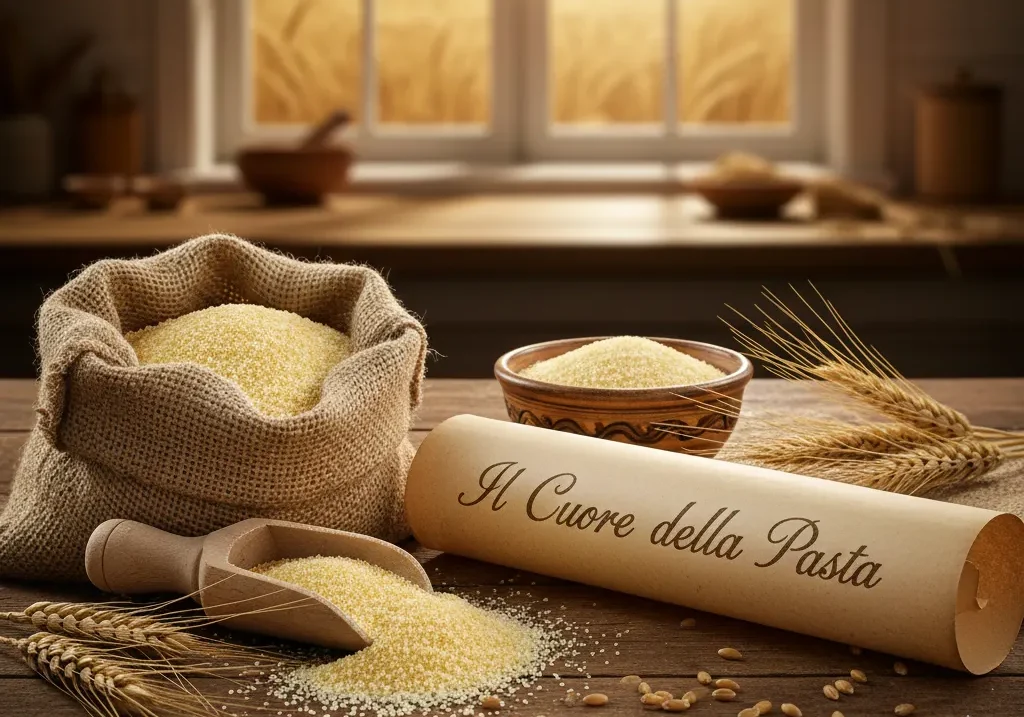
Pasta, this food that is simple yet diverse, has long held a special place on the tables of the world’s peoples since ancient times. The roots of pasta can be traced back to the ancient civilizations of both China and Italy. Over time, pasta transformed from a simple dish into one of the most popular and varied foods in the world.
Ranging from classic spaghetti to delicious lasagna, pasta satisfies all tastes, as it is available in various shapes and sizes and with diverse sauces.
What is Pasta?
Pasta generally refers to different types of dough products made from a mixture of flour, eggs, and water. Pasta is available in a huge variety of shapes and sizes, and each type is suitable for a specific sauce and cooking method.
Some of the most famous types of pasta are:
- Spaghetti: Long, thin threads usually served with tomato sauce.
- Macaroni: Short, hollow tubes suitable for all kinds of sauces.
- Fusilli: Twisted tubes that absorb sauce well.
- Penne: Short, straight tubes commonly used in pasta dishes with cheese.
- Lasagna: Broad, wide sheets used in lasagna and other multi-layered dishes.

Pasta Ingredients
- Durum Wheat Flour (Semolina): This high-protein, hard-textured flour is the main basis for high-quality pasta. Durum wheat flour gives pasta elasticity and resistance to overcooking.
- Water and Egg: Water acts as a binding agent to connect the ingredients. The egg also gives the pasta a rich texture and a golden yellow color.
- Other Additives: Some producers may use dried vegetables, spinach, or squid ink to improve the flavor or color of the pasta.
Pasta Production Process
The production of pasta is a precise, multi-stage process. First, the flour, water, and egg are mixed to form a firm dough. This dough is then flattened into thin sheets and cut into different shapes. The dried pasta is dried at a low temperature for a long period to remove its moisture and increase its shelf life.
Pasta and Nutrition
Pasta is mainly composed of carbohydrates which provide the necessary energy for the body. Additionally, pasta also contains a small amount of protein and fiber. Pasta itself is not a cause of weight gain, but the type of sauce consumed with it affects its nutritional value. Choosing healthy sauces, such as Pesto or tomato sauce, can turn pasta into a nutritious dish.
Pasta Sauces
- Alfredo Sauce: This rich, creamy sauce is made from cream, butter, and Parmesan cheese. Although it tastes delicious, it should be consumed with caution due to its high calorie content.
- Pesto Sauce: This Italian sauce is prepared from a mixture of fresh basil, Parmesan cheese, garlic, olive oil, and pine nuts. Pesto sauce has a very strong flavor and a pleasant aroma.
- Arrabbiata Sauce: This hot and delicious sauce is made from tomatoes, garlic, hot red pepper (chili), and olive oil.
- Carbonara Sauce: This classic Italian sauce is prepared with egg, Pecorino Romano cheese, cured meat (like cured veal/beef), and black pepper.
- Tomato Sauce: A classic and popular sauce prepared with tomatoes, onions, garlic, and spices.
- Béchamel Sauce: A creamy white sauce made with milk, flour, and butter.
Important Pasta Cooking Tips
- Salt the Pasta Water: Adding salt to boiling water gives the pasta a better flavor.
- Do Not Overcook the Pasta: Overcooked pasta becomes soft and tasteless.
- Draining the Pasta: After cooking, drain the pasta quickly to eliminate its stickiness.
- Mixing Pasta with Sauce: Immediately after draining, mix the pasta with the sauce until they are well combined.
Pasta in Different Cultures

Pasta is considered the national dish in Italy, and various types are produced in this country.
In other countries around the world, the shape of pasta has changed and adapted according to local culture and taste, becoming a part of traditional dishes.
The Relationship Between Industrial Powdered Milk and Pasta:
Industrial powdered milk, as a processed product derived from milk, contains high-quality proteins, fats, and carbohydrates. These nutritional elements play a vital role in the growth and development of infants and children. However, the use of industrial powdered milk is not limited to infant nutrition. In the food industry, powdered milk is used as a raw material in the production of a wide range of products.
Pasta, as explained previously, is a basic food in many cultures and is prepared from simple ingredients such as flour, water, and sometimes eggs. However, different additives are used to produce certain special types of pasta or to improve their texture and flavor. This is where the connection between industrial powdered milk and pasta becomes apparent:
- Proteins: The proteins found in powdered milk can be used as a fortifying agent in the production of certain special types of pasta, such as protein-enriched pasta. These types are very beneficial for athletes and people seeking to increase muscle mass.
- Fats: The fats present in powdered milk can help improve the texture and flavor of certain types of pasta. Fats also help the pasta retain its moisture and prevent it from drying out during cooking.
- Carbohydrates: Lactose, a carbohydrate found in powdered milk, can be used as a natural sweetener in the production of certain types of pasta.
In addition to the above, industrial powdered milk can also be used in the production of some pasta sauces. For example, some manufacturers use powdered milk to thicken sauces and improve their texture. Furthermore, powdered milk can be used as a source of protein and fat in the production of creamy sauces, such as Alfredo sauce.